Explore Our Modules
Here you will find all of the teaching modules featured on The Deltos Project site. You can browse topics by scrolling down the page, or you can search for a specific topic using the drop-down menus or search box below.
- Asexuality
- Gender in Roman Civic Identity
- Juvenal 6
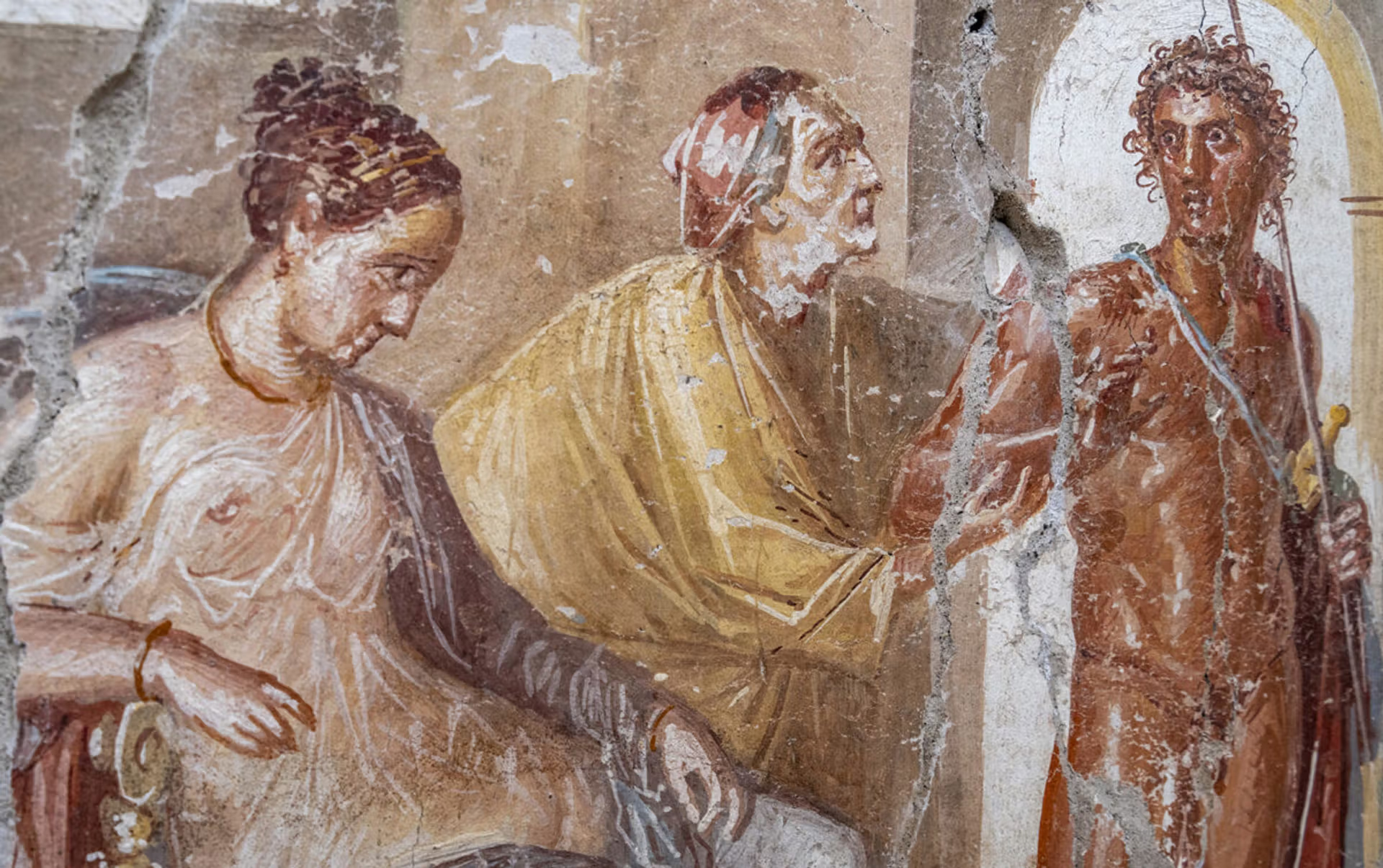
- Menander’s Samia
- The Dowry
- The Etruscans
- The Homeric Hymn to Demeter
- White at the Museum
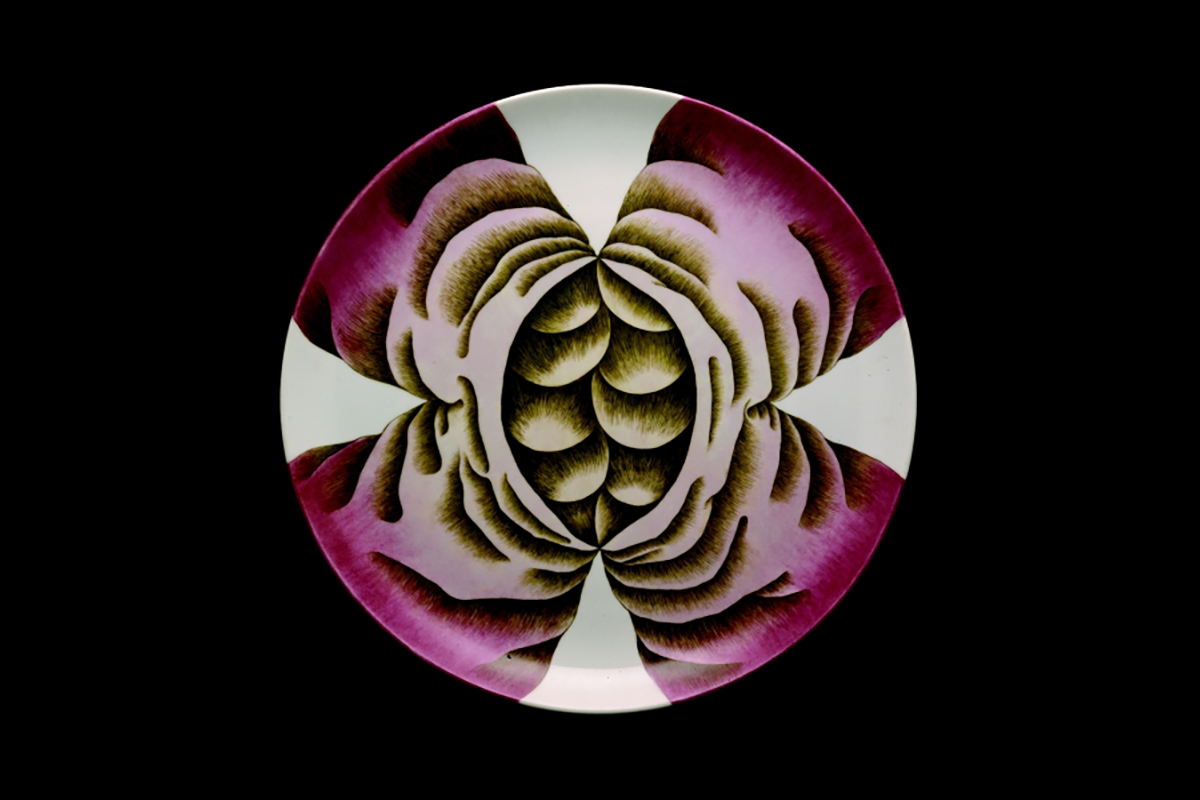
This module centers the Homeric Hymn to Demeter as a literary text. We offer suggestions here for how to draw on the HHD for discussions about gender, family, and social practices in the archaic Greek world. We also share some possibilities for inviting students into imaginative engagement with the ritual context of the text.
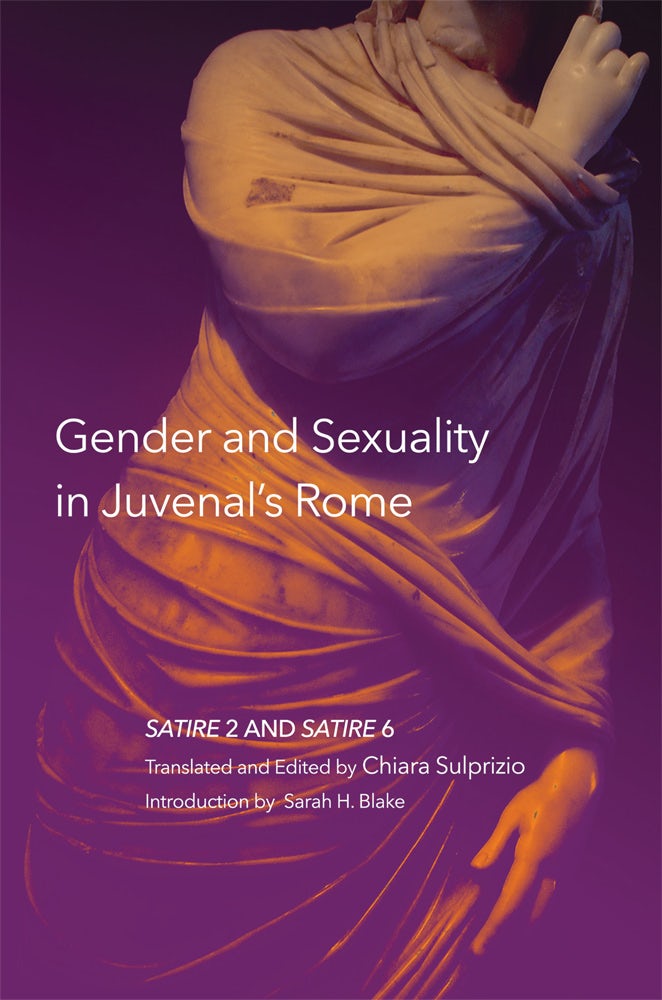
Juvenal’s 6th Satire is famous for its misogyny. In this module, we highlight key passages, suggest useful companion texts to pair with the Satire, and offer a set of discussion questions focusing on misogyny in the Imperial Roman context. A sample lecture and PowerPoint is included.
Gender in Roman Civic Identity
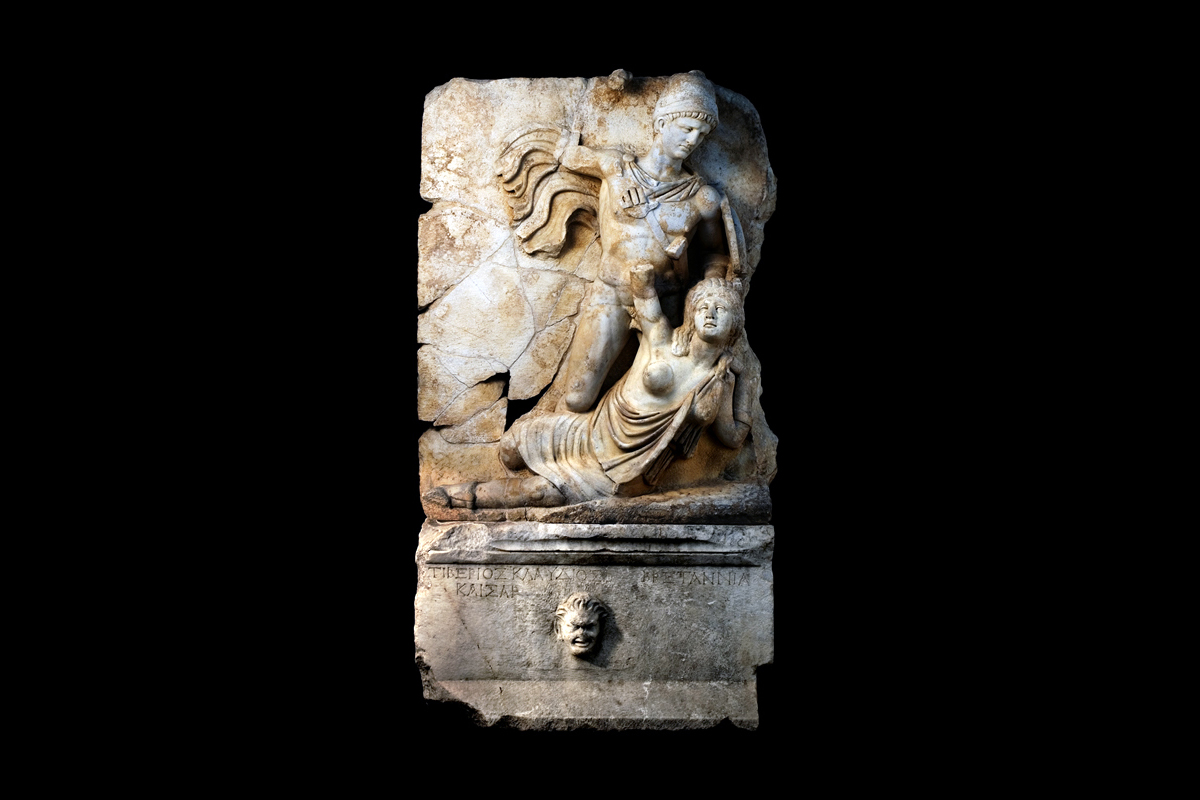
Examining Gender in Roman Civic Identity: Depictions of Cities and Provinces in Roman Art considers the iconography of geography in the Roman Mediterranean. In this module, students will explore three main questions: How were provinces, cities, and geographic features represented in public spaces across the Roman Mediterranean? What role does gender play in the geographic personifications? How does gender intersect with broader ideals of Roman imperialism (and conquest), peace, and prosperity?
The base module will center its lesson on examples from Roman sculpture, particularly from the Temple of Hadrian at Rome and the Basileon at Aphrodisias. In the “Further Exploration” section, we also provide secondary scholarship and additional examples, resources available for a student intending to expand upon the module in a research project.
The Etruscans
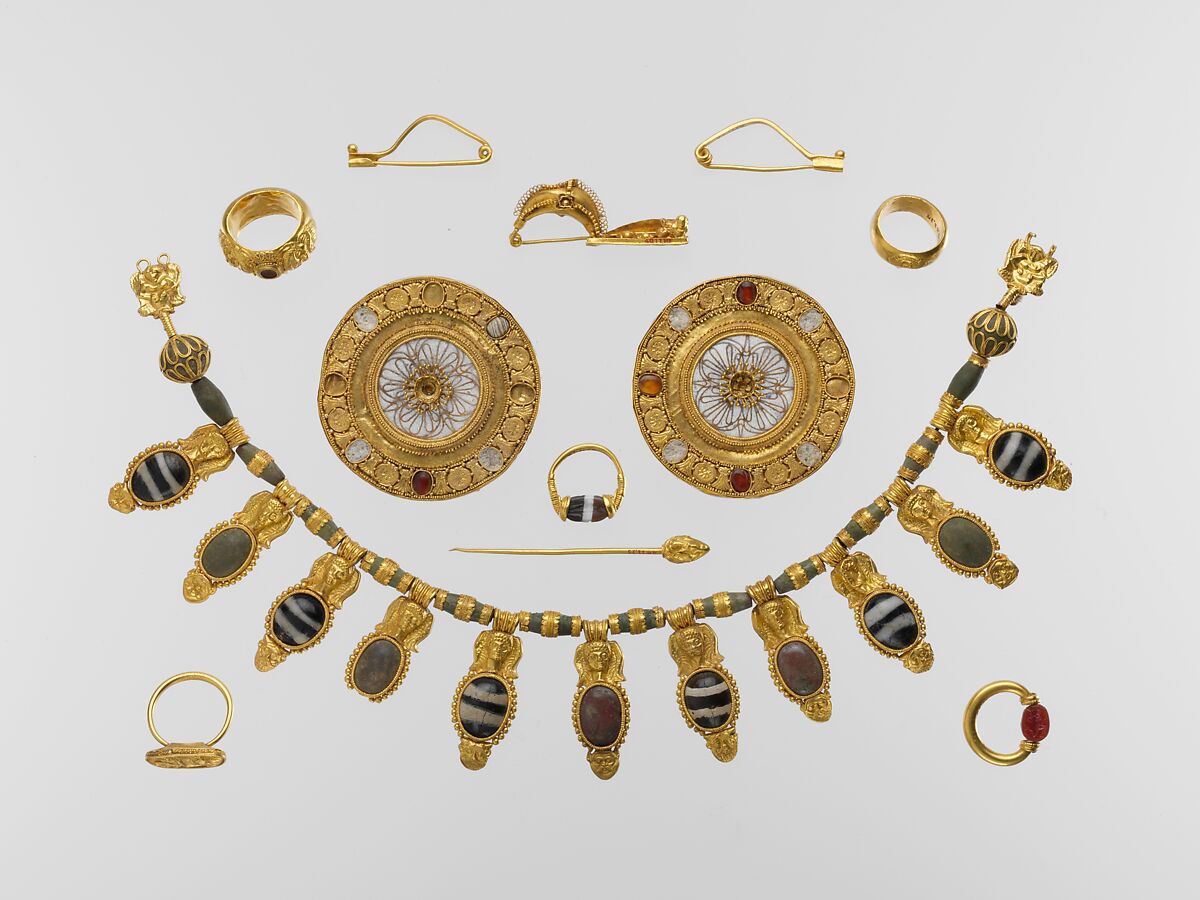
Archaeological finds, like the Sarcophagus of the Spouses and wall paintings at Tarquinia, have been interpreted by scholars as evidence for gender equality in Etruscan society. At the same time, Etruscan grave goods are often assigned gendered meanings that conform to conventional gender norms and, perhaps, incorrectly presume Etruscan practices and experiences. Through an examination of material culture and archaeological evidence, this module invites students to question how depictions of women and men in ancient Etruria can inform us about their lived experiences, if they can at all, and to reevaluate how contemporary conceptions of gender impact our analyses of ancient evidence.
The Dowry
Asexuality